Wireless networks have grown at a dizzying pace over the past decade, and their uses have become increasingly specific, dispelling the idea that wireless networks "are only good for internet access." Those uses depend on whether the network is public or private; universities, shopping malls, hospitals, airports, industrial sites, and others need to allow access to their services securely, comfortably, and practically. While focusing on the user experience is an important pillar, it is worth asking: what does the company get out of it? This is where good use of captive portals becomes essential to pay back the CAPEX and OPEX of the wireless network.
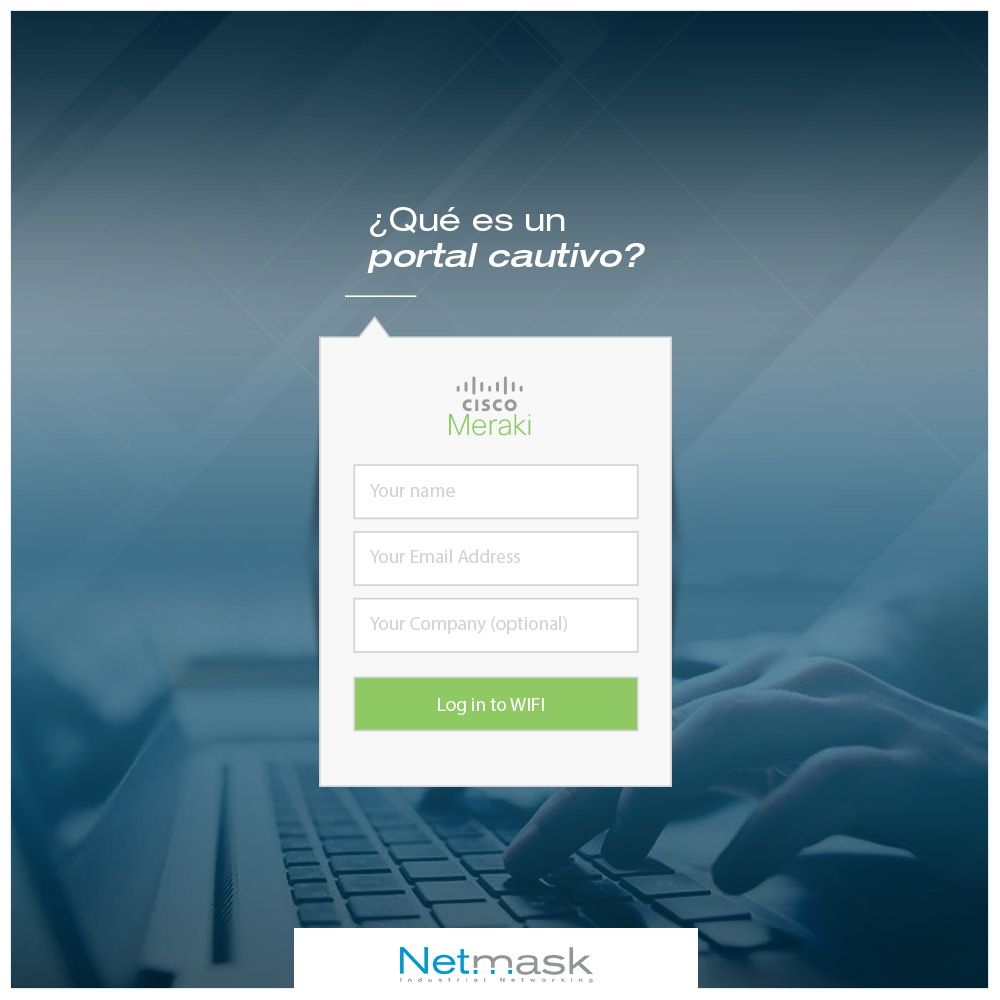
What is a captive portal?
In short, it is an application that facilitates user access to the wireless network, authenticating them using data obtained from the frame. Once the user meets the conditions set out in the captive portal, traffic is redirected according to their level of authorization.
On accessing the network, the portal "captures" the data required by the administrator's criteria (name, phone, email, purpose, and so on), enabling full user authentication and producing a record and traceability of network users. That last point matters when corporate applications or services are in use.
At Netmask we develop the captive portal application according to your needs and projections, delivering user analytics more closely tailored to our clients' core business. As a Cisco Premier Partner, we also use the Meraki platform to create these portals quickly and efficiently.
Author: Jorge Osorio.